From McDonald's bringing back its beloved Halloween Pails to Doritos rereleasing its 90s-era 3D Crunch chips, from Igloo Coolers' neon-colored Retro Collection to the return of Gecko Hawaii clothing (if you're reading this, Gecko, please sponsor us!), Caboodles, Pizza Hut resurrecting its old logo, and countless other examples, it's obvious that the 80s and 90s are culturally relevant again in a major way, and enterprising corporate brands are more than happy to capitalize on it. It's not a new trend, either; vinyl records have been making a comeback for over a decade, and Urban Outfitters has been selling cassette tapes, polaroid film cameras, and turntables for years. But the trend seems to be increasing over time rather than waning.
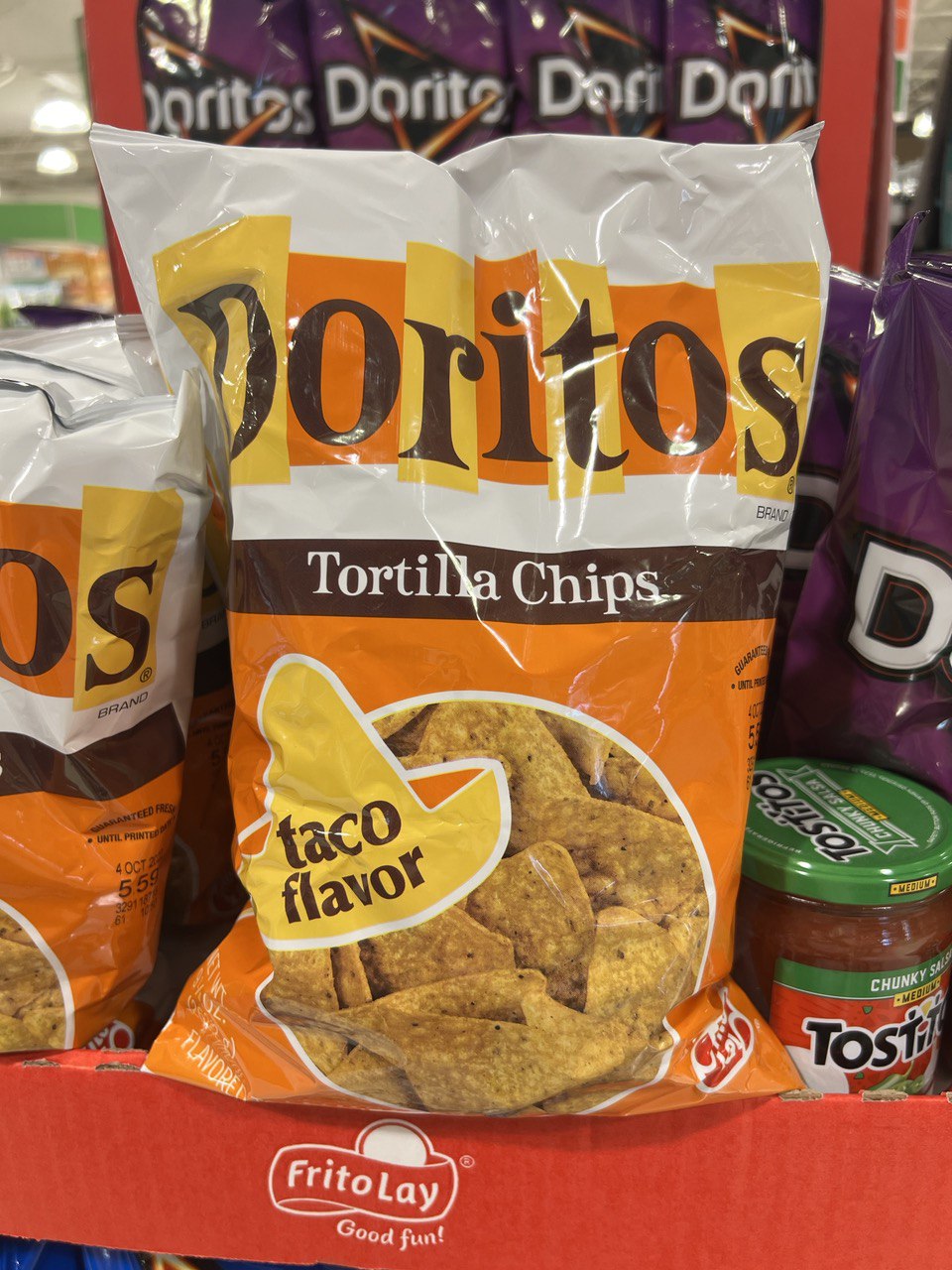 While every new generation tends to go through phases of emulating the aesthetic and fashions of its predecessors, we can't help but wonder what could be causing this phenomenon. Is it the insane popularity of Stranger Things? Is it the fact that we children of the late 20th century are now well into established adulthood and are prone to indulging our nostalgia through consumerism? For those of us with children, we may want them to have the same treasured experiences that we did as children: playing games at the arcade or on old video game consoles. But that doesn't explain retro culture's rampant popularity among kids who were born in the new millennium. Could it be that in our manic, fast-paced world, we all find ourselves longing for a simpler experience?
Retro as a Way of Life
We're not on TikTok but saw this posted elsewhere and loved this guy's vibe (@airdolphin we'd be happy to comp you a weekend pass to NEON Retrofest if you feel like making the trip. Hit us up!):
https://www.tiktok.com/@airdolphin/video/7161221604788243755
* Oh yeah, JNCO is another great example of a resurrected 80s brand!
Why are so many people adopting a retro approach to fashion, technology, and lifestyle? There are too many theories to cover in a short post, but for us it comes down to quality and the joy inherent in a tactile, tangible experience versus a digital or simulated one. Technology today is designed to be disposable to sell more product. In the 80s and early 90s, brands took pride in being "built to last" and often offered lifetime guarantees or at the very least, the ability to repair an item. Can you repair your current smartphone or TV?
We fondly remember lazy afternoons spent at the mall with friends as teenagers, but who has fond memories of clicking a link online to order a product shipped to their house? When you stream a music file, you no longer have the experience of opening up a CD, cassette, or record and admiring the album art, reading a note from the artist, seeing the lyrics, and any other fun surprises they might have included.
Beyond that lies the question of ownership and accessibility. Streaming might offer you seemingly endless options, but what if the streaming platforms don't have the one film you really want to watch? Or what if they go away someday? What if the Internet goes down? We fully understand not wanting to be a hoarder and have way too much physical stuff around, but if the alternative is potentially losing access to a piece of media that you really love, is the risk worth it?
The Internet Doesn't Have Everything—And It Doesn't Remember Forever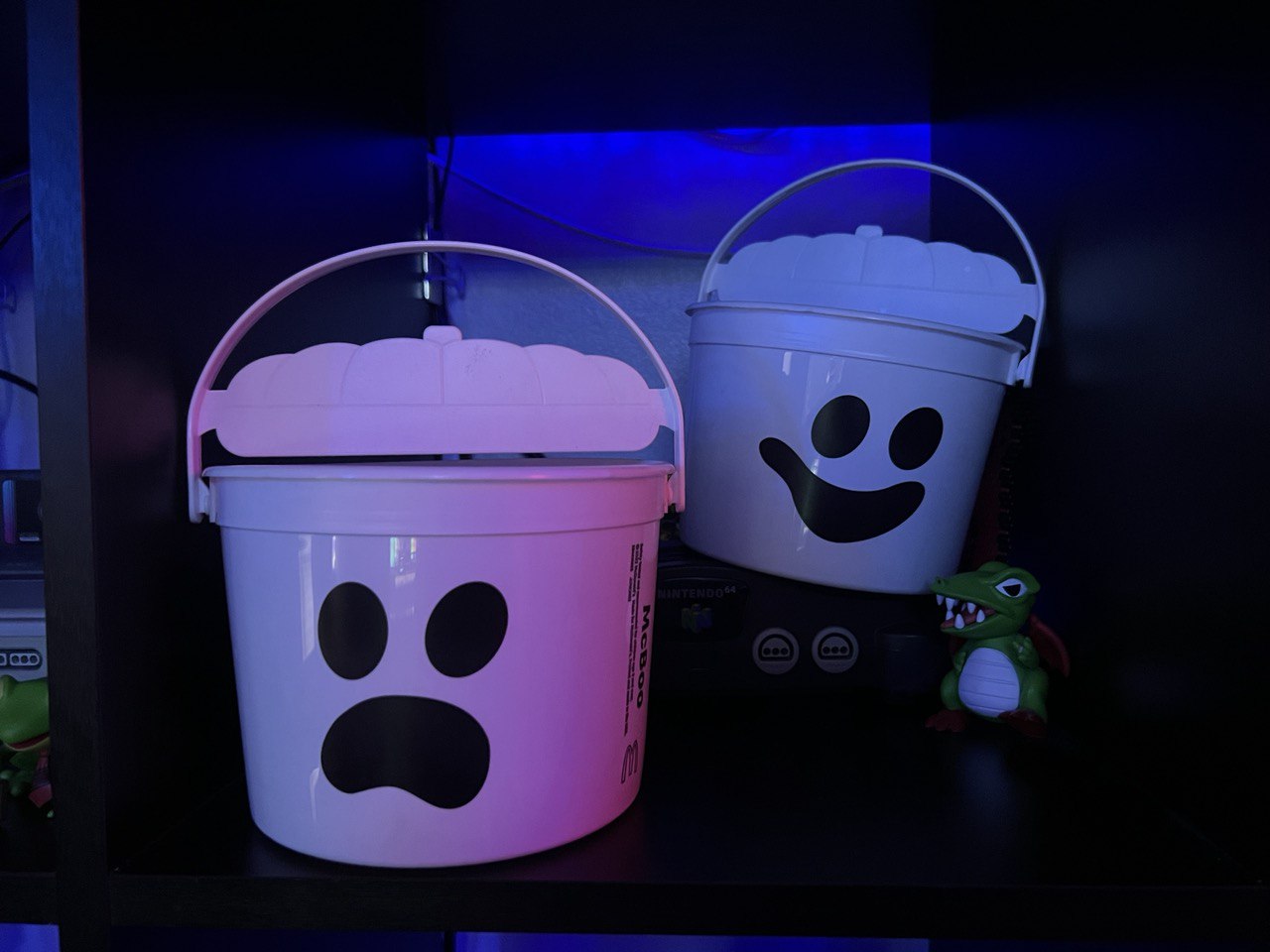
I learned this lesson the hard way back in 2016, shortly after Grant and I first got together. We were talking about old anime one night, and I wanted to show him an anime version of Swan Lake that I had grown up watching with my siblings over and over. I scoured YouTube but could only find versions in Japanese—not the English dubbing I remembered. Grant is an expert at researching such things, and at first he didn't believe my memory was correct because he couldn't find any evidence of the version I was describing, until one day he saw it referenced in an obscure forum. He then made it his mission to track down a copy for me, and months later, he surprised me with a VHS tape that he had found on eBay from a library in England.
Yes, humans are bombarded with so much information and media (especially these days) that we could never hope to consume if all in multiple lifetimes, and not all of it matters. But some of it does. And sometimes while you're experiencing something in the moment, you don't think that it's very important. But years down the road, it suddenly matters to you.
We can't hold onto everything, and nor should we. Curation is what's important: sifting through the sands to find the gemstones and precious metals. And sometimes we make bad calls, and sometimes things get lost to flooding, fires, thefts, whatever, and we shouldn't beat ourselves up about it. But I also don't see the sense in mindlessly rushing into "the future" assuming it's going to automatically be better than what we're experiencing now or in the past, and along the way we just discard things we loved while quality goes down and each newest iteration of a product offers us less and less value, but we feel like we have to have it just because it's new.
Using the Past as Inspiration for the Present and Future
As Grant wrote in his most recent blog post, being overly nostalgic and living in the past can be a trap in that it can prevent you from enjoying the present moment. But obsessing about the future and constantly needing to keep up for the sake of "progress" and "innovation" can also be a trap if you're not really innovating anything that great or going anywhere worthwhile. We've found that the best way to live is to honor and enjoy the things we loved about the past and to choose the parts that we want to make up our present experience—and NEON Retrofest is the biggest example of this approach. We also stream on original console hardware on Twitch, and we're usually playing old games, but the experience we're all having together of connecting via a virtual platform and chatting with each other is happening now, in the 2020's—just like the festival. And someday we might be nostalgic for these times, because who knows what the future might bring.
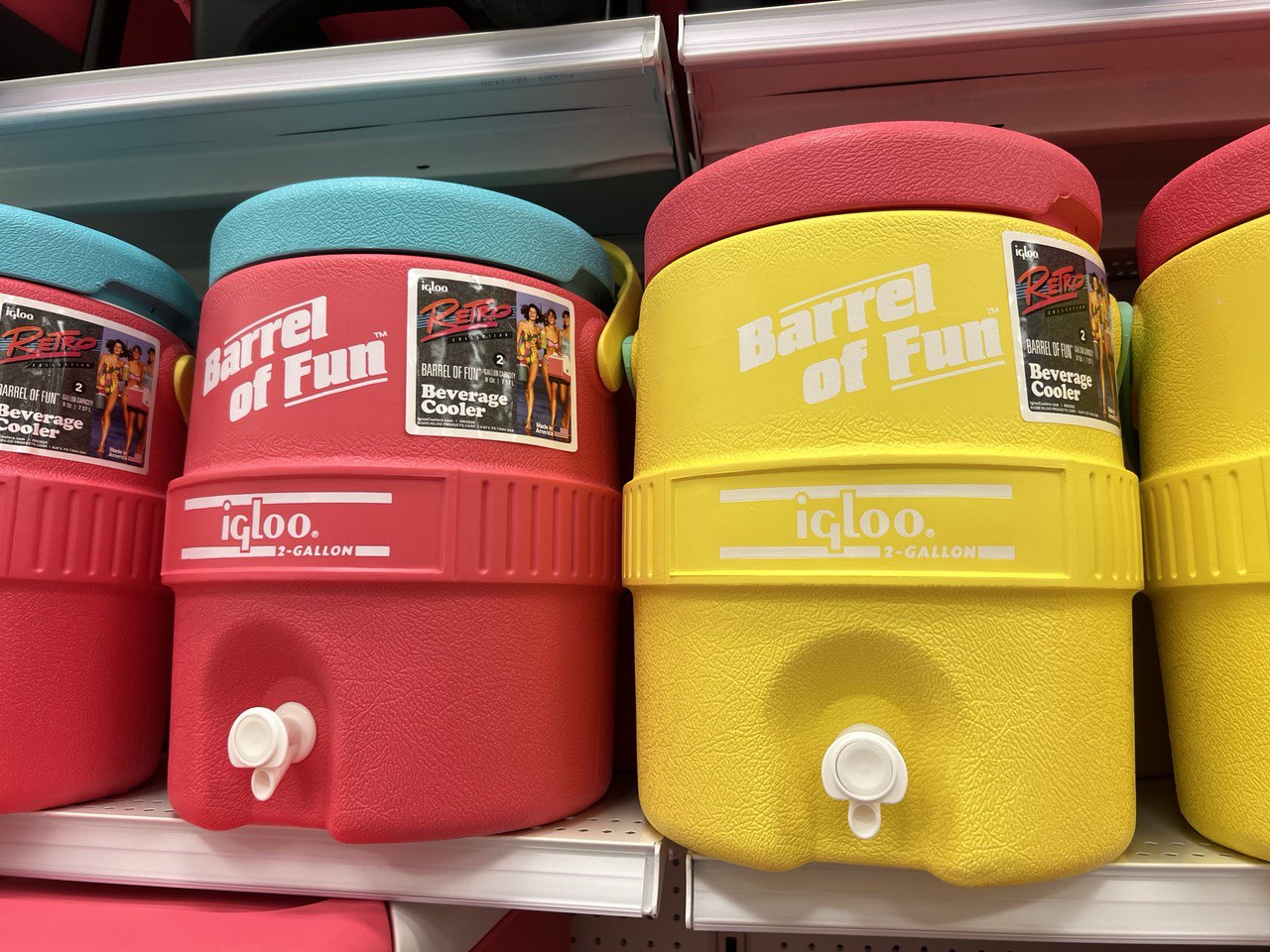 We're not children anymore and we don't go trick-or-treating (well, except maybe at Busch Gardens during their pre-Halloween weekend events
  ), so a McDonald's Halloween Pail has a different meaning and significance than it once did. But we still had fun trying to procure them a few weeks ago, just like we had fun searching for the Crystal Pepsi rerelease in 2016. And if brands feel like bringing back retro items in 80s and 90s colors and designs, well, they're helping to make the world just a little bit more aesthetic. And that's always a good thing.
*Note: I had hoped to talk a bit here about how the video gaming industry is moving back towards physical releases, but while writing this I realized that the topic really deserves its own entire post, so stay tuned for that one in blog posts to come!
